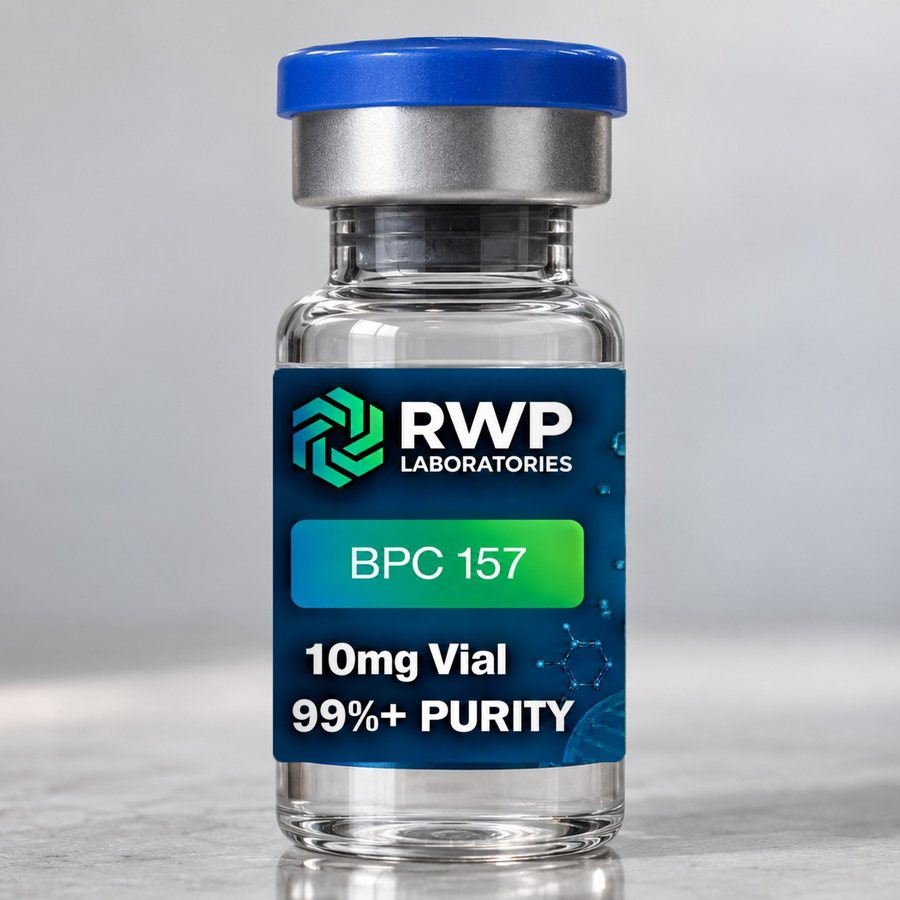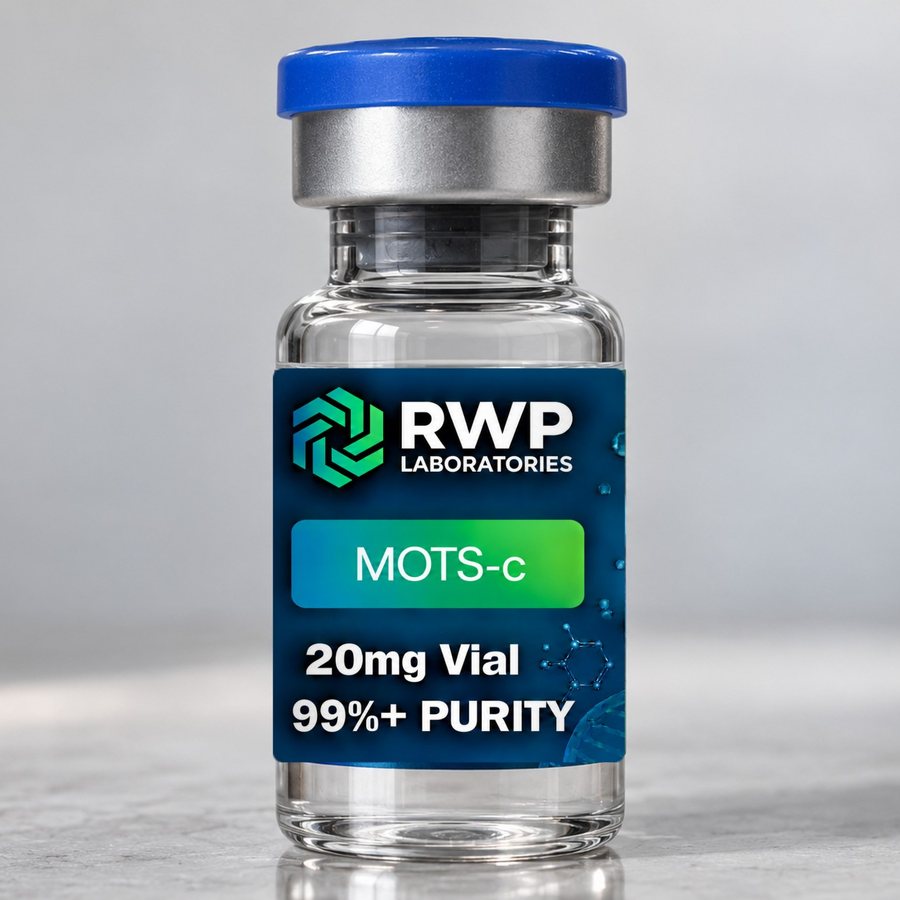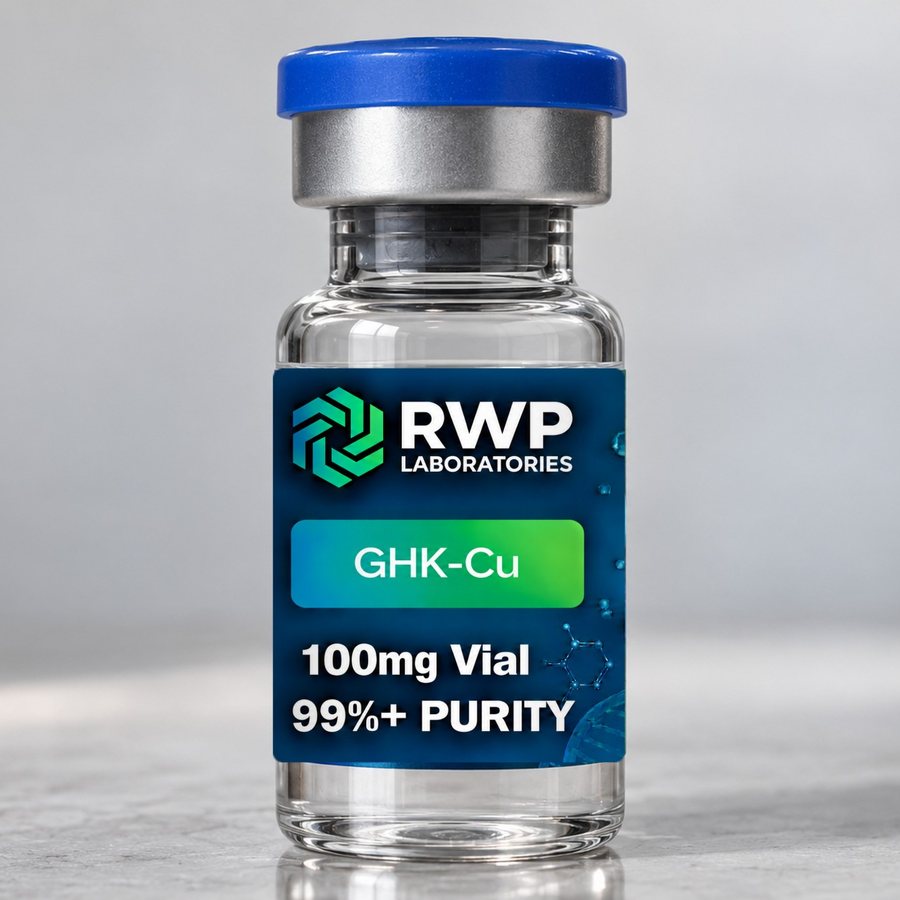
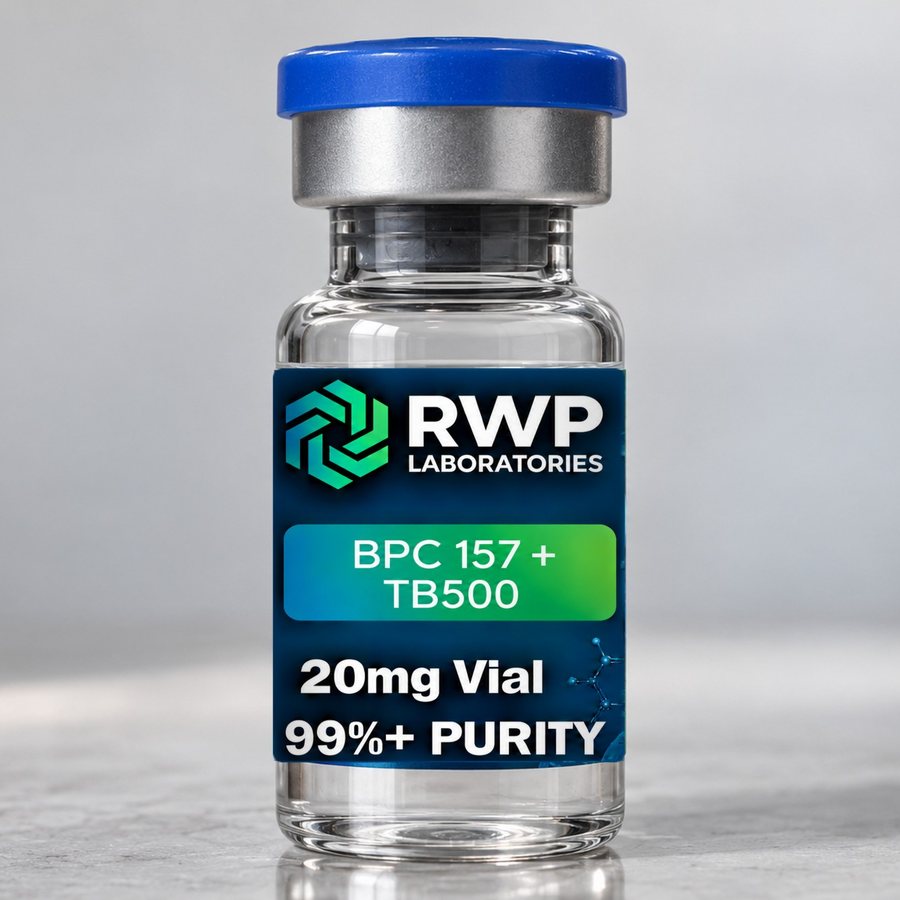
Lyophilized peptides are remarkably stable when they stay dry, cold and dark. Most of the degradation seen in stored material happens after a vial is opened. These are the storage practices that protect it.
Storing the dry powder
- Long term: −20 °C or colder, in the sealed original vial.
- Short term: 2 to 8 °C is acceptable for weeks for most sequences.
- Transit: lyophilized material tolerates ambient temperature for days, which is why it can ship without dry ice.
- Light: keep vials in their box or in an opaque container. Trp and Tyr residues are photosensitive.
Moisture is the main enemy
Lyophilized peptides are hygroscopic. If you open a cold vial in room air, water condenses on the powder immediately. That moisture accelerates hydrolysis and aggregation and makes accurate weighing impossible.
Residues that need extra care
| Residue | Risk | Mitigation |
|---|---|---|
| Cys, Met, Trp | Oxidation | Keep sealed; minimize the number of times a vial is opened |
| Asn, Gln | Deamidation | Keep cold and dry |
| Asp-Gly, Asp-Pro | Cleavage or isomerization | Keep cold and dry |
| N-terminal Gln | Pyroglutamate formation | Keep frozen for long-term storage |
Avoiding contamination
Keep vials sealed until the material is needed, handle them with clean gloves, and record every time a vial is opened.
Signs of degradation
- A powder that has collapsed into a glassy or sticky film (moisture exposure)
- Unexpected color change
- A broken seal or a loose crimp
When in doubt, compare against a sealed vial from the same lot, or re-run HPLC.
Receiving a shipment
- Check that seals and crimps are intact and the powder is dry and loose, not collapsed.
- Match each vial label to its lot COA and file the COA with your records.
- Log the arrival date, then move vials to frozen storage the same day.
- Keep the outer box: it protects vials from light inside the freezer.
Storage at a glance
| Situation | Preferred storage | Notes |
|---|---|---|
| Long term, sealed | −20 °C or colder, dark, dry | The most stable condition; follow any retest date on the COA |
| Short term, sealed | 2 to 8 °C, dark | As printed on the RWP label |
| In transit | Sealed, at ambient temperature | Lyophilized material tolerates normal transit times at ambient temperature |
Published April 21, 2026 by the RWP Laboratories research team. This article covers chemistry, analytical testing and storage for laboratory use only.
For research use only. All products are sold strictly for laboratory research and analytical use and are not for human consumption. They are not drugs, foods, cosmetics or supplements. We do not sell syringes or needles.